
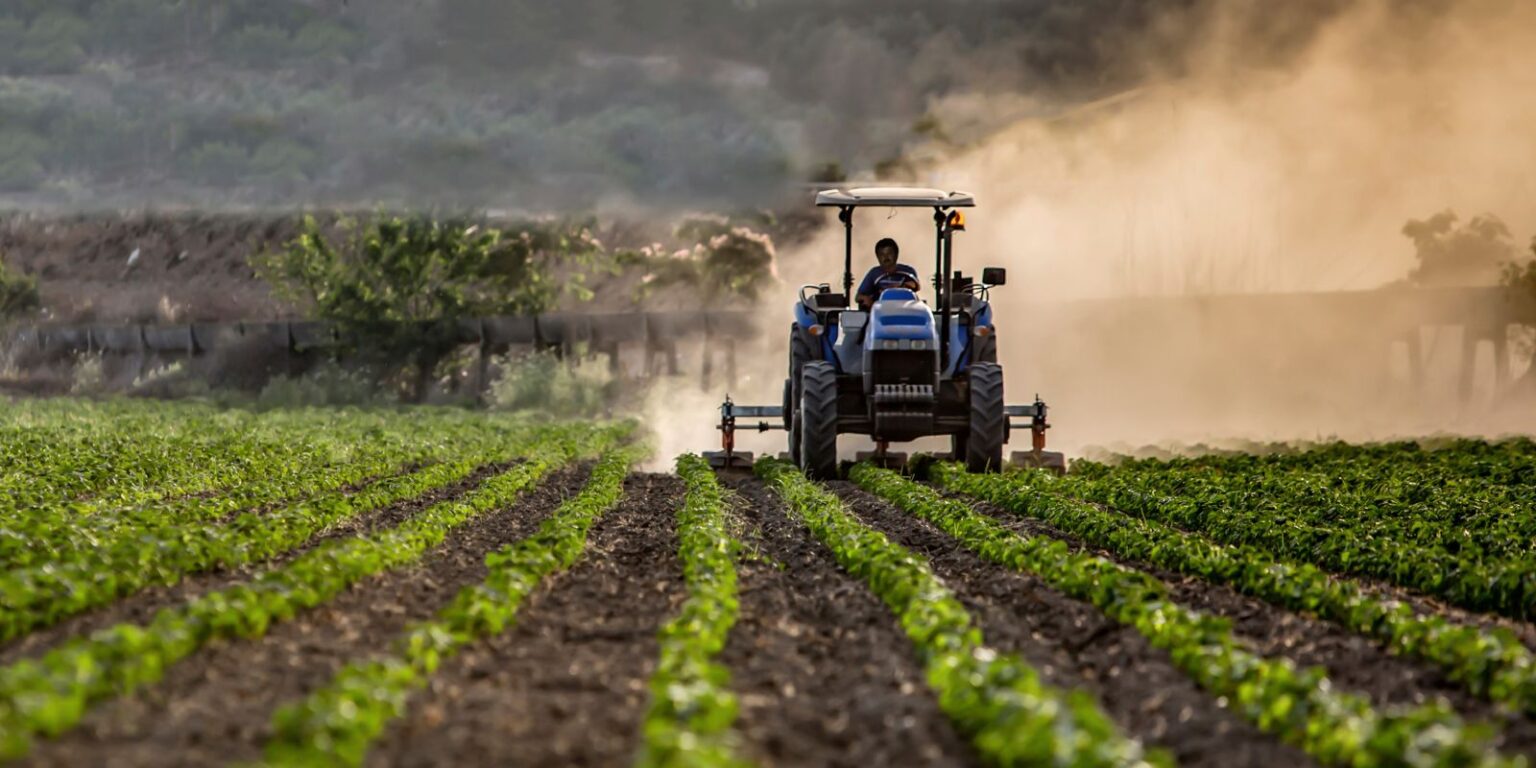
It’s difficult to separate Africa, the bountiful expansive continent, from its agricultural roots. And while more than 60 percent of the population of sub-Saharan Africa consists of smallholder farmers and about 23 percent of sub-Saharan Africa’s GDP is derived from agriculture, Africa’s full agricultural potential remains untapped. This untapped potential extends to the realm of the lesser known agri-tourism.
If this is your first time hearing of this tourism sector, you’re not alone. It’s a fairly recent term, coined in the early 2000s, and describes the symbiotic relationship between agriculture and tourism with a focus on rural appreciation and development. Agri-tourism offers benefits for food production and employment creation, while preserving local culture and protecting environmental assets.
Family Travel Forum 2019, lists the top agri-tourism opportunities around the world in the United States of America, Italy, Netherlands, New Zealand, United Kingdom and Asia.
State of agri-tourism in South Africa
According to The Size and Scope of Agri-tourism in South Africa 2020 Report, agri-tourism is “any activity or attraction that allows the tourist to visit a working or commercial farm for the purpose of education, enjoyment or to be actively involved in the day-to-day activities of the farm”. This includes a broad spectrum of activities and attractions that can be offered on commercial farms such as:
- Outdoor recreation e.g. hiking trails, abseiling, fishing, hunting.
- Educational experiences e.g. wine tasting, cooking classes, farm tours.
- Entertainment e.g. festivals, concerts, barn dances.
- Hospitality services e.g. weddings, farm stays, special events.
- On-farm direct sales e.g. u-picking, farm stalls, auctions.
The sample of 557 questionnaires received from farmers around South Africa revealed that only 148 respondents (26.6 percent) offer agri-tourism on their farms. The Western Cape, with its popular wine farms, has the highest number of respondents engaging in agri-tourism, followed by the Free State and North West Province.
A relatively new sector
Twenty-four percent of those respondents offering some form of agri-tourism activity on their farms have been doing so for more than a year. Fifteen percent of these respondents have been offering agri-tourism activities for less than ten years. Only one percent of these have been offering agri-tourism activities for more than 30 years.
This suggests that agri-tourism is still relatively new and presents an economic diversification strategy for farmers, a vehicle to promote rural development through tourism initiatives.
Agri-tourism in action
So, what does agri-tourism in action look like? Jacqui Taylor, founder and managing director of Agritourism Africa, noticed the degradation of small towns with many youths moving to cities, a worldwide phenomenon, in 2016. With her background and interest in agriculture and tourism, it spurred her to think of ways to get residents to remain in the countryside. This led to the creation of Agritourism Africa, an information hub that provides guidance and advice to all agricultural and tourism stakeholders as well as training.
In a presentation to US agri-tourism operators on the state of agri-tourism in South Africa on 8 June 2021, Taylor cited some case studies to demonstrate the viability of agri-tourism. Pongola Game Reserve, in Northern KwaZulu-Natal, hosts a community-owned butchery which supplies fresh produce to the local hospitality industry and the community. All parties have a vested interest in maintaining the ecological sustainability of this expansive natural environment with resulting mutual benefit.
Ostrich farming in South Africa is an example of agri-tourism saving an industry. After a flourishing sector from the 1920s, avian flu in the early 2000s resulted in the culling of the species as a precautionary measure in line with international regulation. This sent the sector into a downward spiral.
And even though it has since recovered, it is not sufficient to be sustainable. Agri-tourism in the form of ostrich safaris, sale of ostrich eggs, and other creative means of showcasing these unique flightless birds has set this sector on a path of sustainability that continues to grow.
There are numerous other examples of rural development and sustainability in action in the tourism sector. It’s time to build scale. The land is ours; let’s continue to work with local communities and farmers to explore the potential of our beautiful continent.
First published on 23 June 2021 here.
Recent Comments